
Valve Added Services we provide
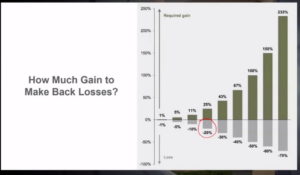
How much Gain to make back losses?
Have you calculated how much in one ‘down’ year would you need to make in the following year to offset the loss? Let’s look at an example:
Suppose you have an investment of $10,000, and it experiences a loss of $1,000 in one year. Percentage Gain Needed=(1,000 / 10,000) × 100 = 10%
In this example, you would need a 10% gain on the remaining $9,000 (original investment minus the loss) to offset the $1,000 loss and break even. If the investment generates a gain greater than 10%, you would start making a profit.
Looking to earn Passive Income?
“Mailbox money” refers to income that you receive regularly, typically without much effort on your part, as if it’s delivered to your mailbox. This term is often used in the context of passive income, where you earn money without actively working for it.
We help you make “mailbox” money through single family home notes:
- vetting payment histories of borrowers
- providing recent property valuations
- thorough chain of title research
- securing the property note with the collateral documentation
We seek low investment to property value opportunities, consistent payment history, and upside potential for higher yields. TLC Property Partners co-invests with you to insure our interests are in alignment.
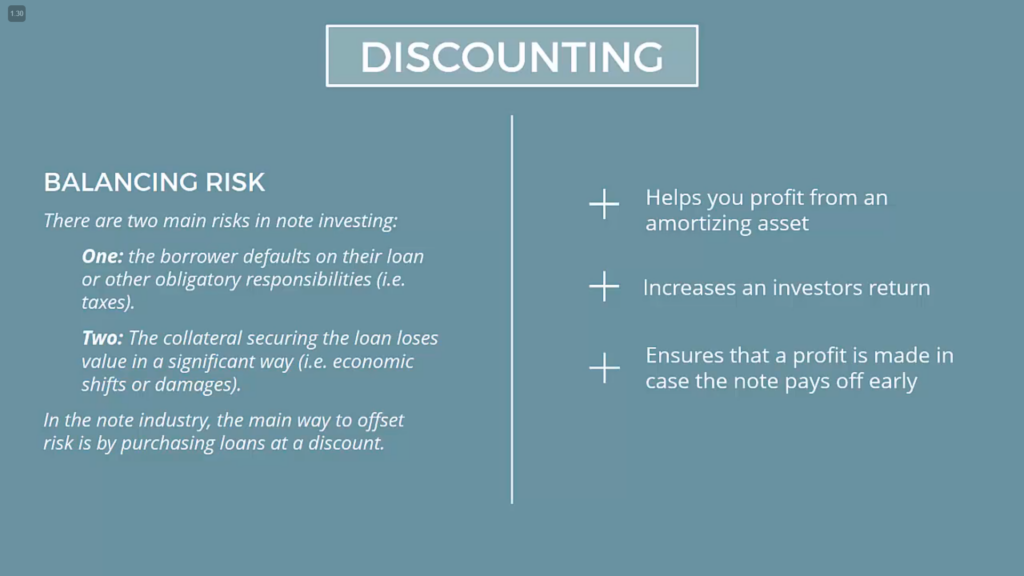
Discounting is a Function of Off-Setting the Risk
How Seller Financing plays a Role in Home Ownership and Affordability
- Flexible Terms:
- Seller financing often allows for more flexible terms in comparison to traditional mortgages. Buyers and sellers can negotiate interest rates, repayment schedules, and other terms that may be more tailored to the financial situation of the buyer.
- Bypassing Traditional Lenders:
- Buyers who may have difficulty qualifying for a mortgage from a traditional lender, perhaps due to a limited credit history or other financial challenges, might find seller financing more accessible.
- Lower Closing Costs:
- In some cases, seller financing can result in lower closing costs for the buyer, making homeownership more affordable at the outset.
Rental Properties vs Note investing in Real Estate
- Rental Income
- Payment of Mortgage by Tenant
- Tax Deduction of Mortgage Interest
- Rising Repair, Taxes, Utilities, HOA and Insurance Costs
- Capital Expenditures such as renovations and improvements
- Tenant Related Damages-painting, flooring, cleaning, pet urine smells
- Property Management Fees
- Interest Income
- Monthly Cash Flow Payments
- Higher Interest Yield than Note Rate
- No Tenant calls for Repairs, Tax Increases or Insurance costs
- No Property Management fees
- Borrower Default on Loan Payments
- Property Value Decreases
- Borrower Needs to Renegotiate the Payment Terms or Amounts